

The Challenges of Diet and Nutrition

To be IgAN healthy, can I only eat lettuce and cucumber?
What do I need to eat with IgAN?
I joke about that sometimes when people ask what I can eat.
Of course, I am not serious—but that question captures how overwhelming nutrition can feel after being diagnosed with a chronic illness such as IgA Nephropathy.
There are so many questions about what we can do to support our health, and diet is often one of the first and most complicated areas to navigate.
Making dietary changes to combat IgAN
For nearly the first 10 years of my IgAN journey, I did not pay much attention to my diet.
Over time, I began making small changes: reducing dairy, following a low-sodium diet, and monitoring my potassium intake.
In the past few years, I have made larger changes, including becoming vegetarian and later eating mostly gluten-free. Maintaining a healthy diet has been one of my most difficult challenges. I enjoy eating and trying new foods—and I especially love cheese, which is my weakness but also very high in sodium.

What nutrition considerations make sense for IgAN?
When other IgAN patients ask what I eat, I share what works for me—but I am careful to explain that my diet is based on my own body, labs, and medical guidance.
There are some general recommendations many IgAN patients hear, such as reducing sodium, but every person’s IgAN is different. Our dietary needs are unique, and what works for one person may not work for another.
I am fortunate to receive care through a multidisciplinary kidney clinic, so I bring my nutrition questions to both my dietitian and nephrologist. I also avoid making major changes without their guidance and try to eat “according to my labs.”
Navigating social situations and restaurants with IgAN
Navigating food in social situations can be difficult.
I have had friends tell me what I should or should not eat without fully understanding IgAN or how certain foods affect my symptoms. In my culture, refusing food can be seen as rude, so it can be especially hard when family members ask me to “just try a little” of something they have made.
It can feel awkward to explain, politely but firmly, that I cannot eat something - even when someone means well. At the same time, I am grateful for friends and family who ask what they can make for me.
When possible, I offer to bring a dish so I know there will be something I can eat.
Restaurants bring their own challenges, especially because of sodium. When I eat out, I usually ask for:
- as little sodium as possible
- no extra salt added afterward
- dressings and sauces on the side
- plenty of water
I recently went to a restaurant that served my meal fully deconstructed, with all the sauces on the side. That small adjustment made a big difference
IgAN-friendly meal planning
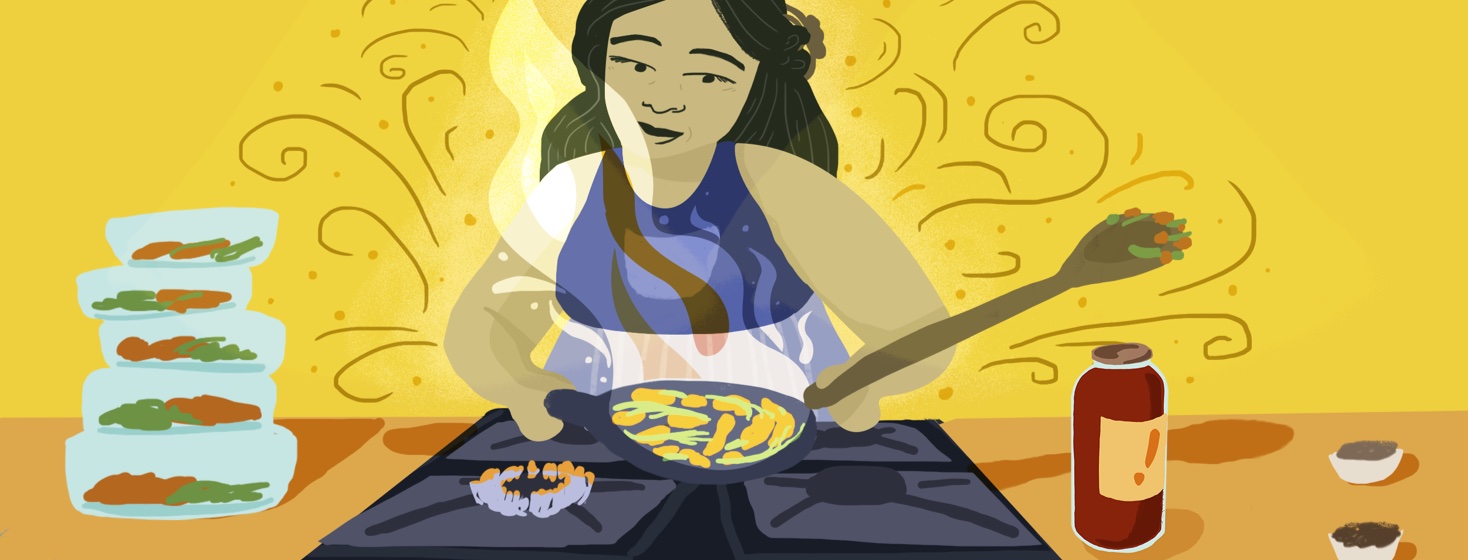
Meal planning can be difficult because I need to pay attention to sodium, potassium, protein, and gluten—often while cooking with low energy. My Instant Pot has become a real time-saver. It helps me cook quickly and usually makes enough food to freeze meals for later.
I used to track what I ate to make sure I stayed within my protein and potassium limits. Now, after years of practice, it feels much more natural and has become second nature.
Treat days, not cheat days
I do not always maintain my diet perfectly. There are times when I go off track for weeks—I call those my “benders.”
I used to feel guilty about it, but I have learned that setbacks can happen, and I can always get back on track.
I have also learned the value of giving myself treat days.
For example, on Saturdays I might eat cheese or enjoy foods I do not normally have. I used to call these “cheat days” until a friend reminded me that I am not cheating on my diet - I am simply treating myself.
Knowing I have those moments to look forward to makes it easier to maintain my diet overall.
Having boundaries to support IgAN isn't "rude"
When it comes to nutrition and IgAN, I believe it is important to listen to your nephrologist, your care team, and your own body.
And yes - I am now okay with being seen as “rude” about my food choices. If someone refuses to respect my boundaries and keeps pushing me to eat something I cannot have, I will walk away. My body, my health, my choice.
Join the conversation