What Is IgA Nephropathy?

Reviewed by: HU Medical Review Board | Last reviewed: June 2026 | Last updated: June 2026
IgA nephropathy is a type of kidney disease. It happens when clumps of an antibody called immunoglobulin A (IgA) build up in your kidneys and cause swelling, called inflammation. Over time, this can damage your kidneys. IgA nephropathy is also known as Berger’s disease, named after one of the doctors who first described it in the late 1960s.1-4
What the name means
The name sounds complex, but it breaks down into 2 simple parts:1-4
- Immunoglobulin A (IgA) – This is an antibody, a protein your immune system makes to help fight germs like bacteria and viruses.
- Nephropathy – This is a medical word for damage or disease that affects your kidneys.
So, IgA nephropathy means kidney damage linked to the IgA protein.
How IgA nephropathy affects your kidneys
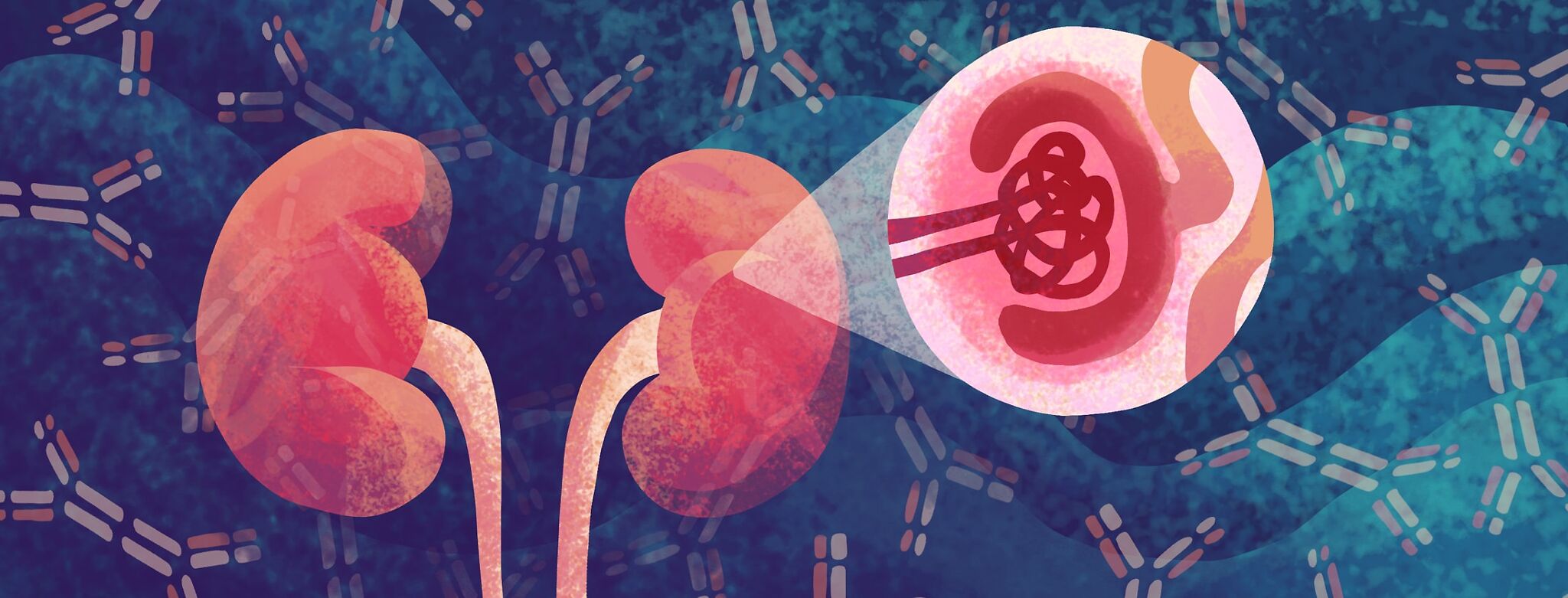
The purpose of your kidneys is to clean your blood by removing waste and extra fluid from your body. They do this by filtering the blood through the kidneys. The filters inside your kidneys are called glomeruli, which are tiny looping blood vessels.1,4
In IgA nephropathy, IgA clumps get stuck in these glomeruli. This causes inflammation and damage, which, over time, results in scarring of these filters. Damaged filters start to leak blood and protein into your urine. Over time, the scarring can make it harder for your kidneys to do their job.1,4

How common is IgA nephropathy?
IgA nephropathy is one of the more common kidney diseases, and it can happen at any age. About 1 in 10 kidney biopsies in the United States show IgA nephropathy. It is even more common in some parts of the world, appearing in about 4 in 10 kidney biopsies in East Asian countries.1,4
Who is more likely to get it?
IgA nephropathy can affect anyone, but some people are more likely to get it. You may be at higher risk if you:1,2,4
- Are a teenager or young adult – The first signs usually appear between the late teens and the late 30s.
- Are of Asian or European ancestry – It is more common in these groups and less common in Black people.
- Are male – In the United States, it affects about twice as many men as women.
- Have a family history – IgA nephropathy and a related condition called IgA vasculitis can run in families.
- Have certain other conditions – These include celiac disease, liver disease, and infections such as HIV.
What causes IgA nephropathy?
Doctors believe IgA nephropathy is an autoimmune disease, which means the immune system attacks the body’s own kidneys. The exact trigger is not known, but genes/genetics appear to play a role. In many people, the first signs appear after a cold, sore throat, or other respiratory infection, when the body is making extra IgA.1,2,4
What problems can it cause?
IgA nephropathy affects each person differently. Some people have it for years with few problems. Others develop complications, such as:1,4
- High blood pressure – Kidney damage can raise your blood pressure, and high blood pressure can cause more kidney damage. High blood pressure can also affect your heart and cause a heart attack. High blood pressure can also affect your brain and lead to a stroke.
- Nephrotic syndrome – A group of problems that includes high protein in the urine, high cholesterol, and swelling in your body.
- Heart and blood vessel problems – Kidney disease can affect your heart health.
- Kidney failure – Over time, the kidneys can stop working well enough to support the body and clean the blood, which means you may have to start dialysis or get a kidney transplant.
What is the outlook?
There is no cure for IgA nephropathy yet, but early detection and treatment can protect your kidneys and slow the damage. For some people, when the disease is not active, that is called remission.1-4
About 1 in 4 adults with IgA nephropathy eventually develops kidney failure, which can occur rapidly in some cases and in others may take many years. If kidney failure does happen, dialysis or a kidney transplant can help you live for many more years. With the right care, many people live long, full lives.4
Talk to your doctor
If you notice blood in your urine or the urine is frothy (excessive bubbles), or have sudden swelling of your face, arms, hands, or legs, it is very important that you get immediate medical attention and call your doctor. Many conditions can cause these signs, so testing is needed to find the cause. If IgA nephropathy runs in your family, ask your doctor how to keep your kidneys healthy, such as managing your blood pressure and cholesterol.2,4